


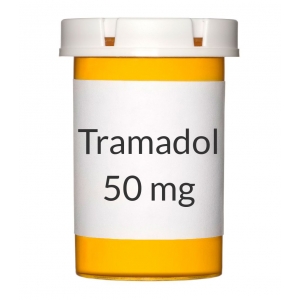
Tramadol – A Modern Standard for Safe and Powerful Pain Relief
Tramadol stands at the forefront of modern pain management as a medication that seamlessly bridges efficacy and safety. Unlike traditional opioids that often come with a high risk of respiratory depression, sedation, and addiction, Tramadol offers a more refined pharmacological profile. It is a centrally acting analgesic with dual mechanisms of action — binding weakly to μ-opioid receptors and simultaneously inhibiting the reuptake of serotonin and norepinephrine. This synergistic approach makes Tramadol not just a painkiller, but a comprehensive solution for a wide range of pain syndromes, including those unresponsive to conventional treatment.
Over the past three decades, Tramadol has become a staple in the arsenal of pain specialists, emergency physicians, surgeons, and general practitioners alike. Its approval and widespread use in over 100 countries speak volumes about its global trustworthiness. More importantly, Tramadol delivers consistent, predictable pain relief without the steep costs — physiological or economic — of classical opioids. Whether used for acute pain, chronic conditions like osteoarthritis or fibromyalgia, or neuropathic syndromes, Tramadol offers reliable relief while preserving alertness and function in patients.
As modern medicine increasingly prioritizes patient-centered care, Tramadol’s profile aligns perfectly with the goals of individualized, tolerable, and sustainable pain control. It has demonstrated its clinical value in diverse populations — from post-operative patients to those with comorbidities that limit other analgesics. In a healthcare environment striving to reduce opioid dependence while maintaining high standards of analgesia, Tramadol represents a balanced, rational therapeutic choice that elevates patient outcomes without compromise.
Pharmacological Uniqueness That Sets Tramadol Apart
Tramadol’s uniqueness lies in its pharmacodynamics. Unlike full agonist opioids such as morphine or oxycodone, Tramadol binds weakly to opioid receptors while simultaneously modulating monoaminergic pathways. This dual-action mechanism enhances analgesia without significantly increasing sedation or respiratory depression. It engages both nociceptive and neuropathic pain pathways, giving it a broad-spectrum efficacy that’s especially valuable in mixed pain syndromes.
Moreover, its ceiling effect on respiratory depression offers a distinct safety advantage. Patients on Tramadol are less likely to experience fatal complications even with dosing errors, making it a preferred choice in outpatient settings and among vulnerable groups such as the elderly. In pharmacovigilance data, Tramadol repeatedly demonstrates a lower incidence of life-threatening adverse effects compared to stronger opioids, while still maintaining comparable pain relief in moderate to moderately severe pain.
Endorsed by Clinicians Worldwide
Tramadol is included in the World Health Organization’s Model List of Essential Medicines — a distinction reserved for drugs with outstanding efficacy, safety, and cost-effectiveness. Across Europe, North America, Asia, and the Middle East, it is routinely recommended in national pain management guidelines as a first- or second-line agent for both acute and chronic pain. Physicians trust Tramadol because it gives them flexibility: it can be titrated, tapered, administered short- or long-term, and integrated into multimodal analgesic regimens.
Its acceptance by various medical specialties — from neurology and internal medicine to surgery and oncology — underscores its versatility. In hospitals, it’s used postoperatively; in outpatient care, it manages degenerative and inflammatory pain; and in palliative settings, it provides effective comfort without the sedation often seen with stronger opioids. This cross-disciplinary trust elevates Tramadol beyond being just a painkiller — it’s a clinical mainstay.
Reliability Across Acute and Chronic Pain Syndromes
One of Tramadol’s greatest strengths is its consistency. Whether administered in single or divided doses, oral or parenteral form, immediate- or extended-release, Tramadol delivers a dependable analgesic effect that patients and doctors alike can rely on. It effectively treats everything from acute postoperative pain and dental procedures to chronic osteoarthritis, low back pain, and neuralgia. In many cases, it serves as a bridge between non-opioid treatments (NSAIDs, acetaminophen) and stronger opioids, sparing patients the escalation to more dangerous drugs.
Studies show that Tramadol maintains its efficacy even in long-term use scenarios, particularly when dosed judiciously and under supervision. This makes it a key agent in chronic pain strategies where maintaining both relief and functional independence is critical. Unlike some medications that quickly lose effectiveness due to tolerance or side effects, Tramadol remains stable in its delivery — another reason it is widely respected in clinical practice.
Neuropathic Pain Modulation: Dual-Mechanism Advantage
Neuropathic pain — often difficult to treat — responds well to Tramadol because of its inhibition of serotonin and norepinephrine reuptake. These neurotransmitters play a central role in pain modulation within the descending inhibitory pathways of the spinal cord. Unlike pure opioids, which often underperform in neuropathic pain, Tramadol’s monoaminergic activity makes it a particularly valuable option in conditions like diabetic neuropathy, trigeminal neuralgia, and post-herpetic neuralgia.
Additionally, this mechanism allows it to contribute to emotional stabilization in patients suffering from chronic pain, many of whom experience concurrent anxiety or depression. Tramadol thus functions not only as an analgesic but as a psycho-physical balancer, helping restore the patient’s quality of life across multiple domains.
Tramadol Is More Than an Opioid — It’s a Next-Gen Analgesic
In an era defined by the need for precision medicine and risk mitigation, Tramadol stands out as a forward-looking analgesic. Its effectiveness across multiple pain types, favorable safety margin, low potential for abuse, and multimodal action place it in a class of its own. It’s not simply a weaker opioid — it’s a reimagined approach to pain therapy that aligns with the demands of 21st-century medicine.
Whether used short-term or as part of a comprehensive long-term plan, Tramadol delivers results. For patients, that means faster return to work, fewer days lost to disability, and improved quality of life. For clinicians, it means an evidence-based, well-tolerated, and reliable option that meets both regulatory expectations and patient satisfaction. Tramadol’s legacy is one of trust, innovation, and continuous clinical relevance — a true benchmark in pain relief today.
Getting Tramadol Online – Trusted Medical Sources
In today’s healthcare environment, where digital convenience meets medical necessity, buying Tramadol online is not only feasible — it’s often the preferred choice for patients who value discretion, speed, and verified quality. The key, however, lies in distinguishing legitimate, medically backed sources from the flood of unregulated online vendors. When obtained through trusted platforms with licensed physician oversight, Tramadol becomes a safe, effective, and efficient solution for pain relief without the burdens of repeated in-person appointments or pharmacy queues. For patients managing chronic or recurring pain conditions, this modern access model brings significant advantages in consistency and control.
The most reputable online providers of Tramadol operate within strict medical protocols. They require a valid prescription or provide telemedicine consultations with licensed doctors before fulfilling any order. These platforms often partner with certified pharmacies, ensuring that medications are dispensed according to pharmaceutical standards, with clear labeling, batch control, and secure packaging. In the United States and European Union, such services are typically registered under national telehealth regulations and maintain a verifiable physical presence — not just a domain name. This medical infrastructure is what sets trusted sources apart from rogue sellers who prioritize profit over patient safety.


Reviews
There are no reviews yet.