

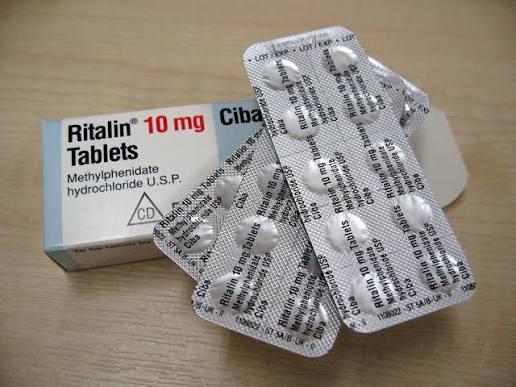
Ritalin is a well-established prescription medicine that contains methylphenidate hydrochloride as its active ingredient. It is primarily prescribed for the treatment of Attention Deficit Hyperactivity Disorder, commonly known as ADHD, in both children and adults. In some cases, it may also be prescribed for the management of narcolepsy, a neurological condition characterized by excessive daytime sleepiness.
Ritalin 10mg x 10 is supplied in a pack containing ten tablets, each formulated with 10mg of methylphenidate. Due to its effects on the central nervous system, this medication is classified as a controlled prescription drug and must only be used when prescribed by a qualified healthcare professional.
Active Ingredient and Formulation
Methylphenidate Hydrochloride: The active ingredient in Ritalin is methylphenidate hydrochloride, a central nervous system stimulant. It works by influencing specific neurotransmitters in the brain, particularly dopamine and norepinephrine, which play key roles in attention, impulse control, and cognitive function.
Each tablet in the Ritalin 10mg x 10 pack is manufactured to pharmaceutical standards to ensure consistent dosage and quality. Inactive ingredients are included to support tablet stability, absorption, and shelf life.
Therapeutic Classification
Central Nervous System Stimulant: Ritalin belongs to a group of medicines known as central nervous system stimulants. Despite the term “stimulant,” its effect in individuals with ADHD is to improve concentration, reduce impulsive behavior, and support sustained attention rather than cause overstimulation.
The medication is used as part of a broader treatment plan, which may include behavioral therapy, educational support, and lifestyle adjustments, depending on individual needs.
Medical Uses and Indications
Attention Deficit Hyperactivity Disorder: Ritalin is most commonly prescribed for ADHD, a neurodevelopmental condition that affects attention regulation, impulse control, and activity levels. Symptoms can interfere with academic performance, work productivity, and social functioning.
By helping regulate brain activity, Ritalin may support improved focus, reduced hyperactivity, and better task completion when taken as prescribed.
Narcolepsy: In certain cases, Ritalin may be prescribed to help manage narcolepsy. For individuals with this condition, the medication can help reduce excessive daytime sleepiness and improve alertness during waking hours, under specialist supervision.
How Ritalin Works
Effects on Brain Neurotransmitters: Methylphenidate works by increasing the availability of dopamine and norepinephrine in specific areas of the brain. These neurotransmitters are involved in attention, motivation, and executive function.
In individuals with ADHD, these chemical pathways may function differently. Ritalin helps improve communication between brain cells, supporting better focus and behavioral regulation.
Individual Response: The effects of Ritalin can vary between individuals. Factors such as age, body weight, metabolism, and overall health can influence how the medication works. For this reason, dosing is personalized and closely monitored by a healthcare provider.


Reviews
There are no reviews yet.