


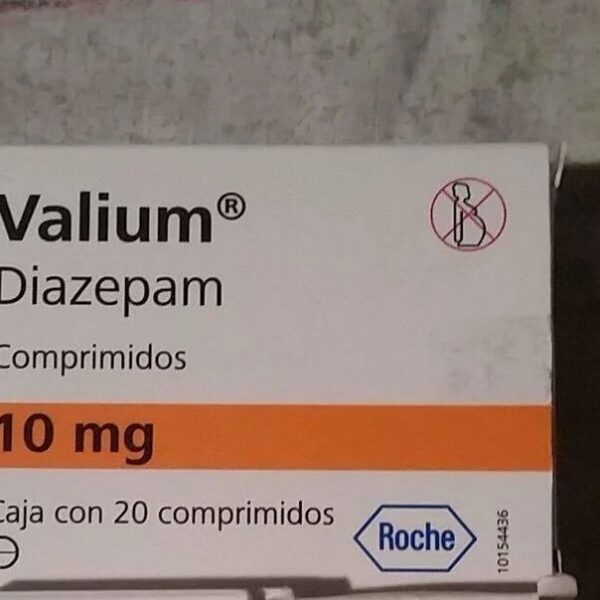
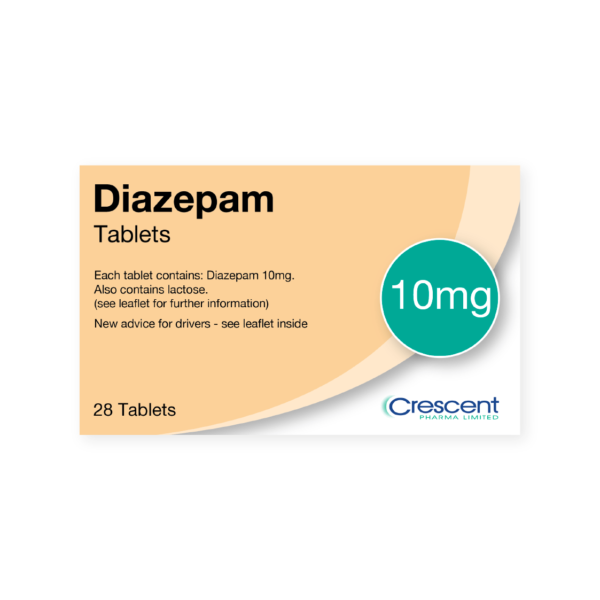
Diazepam is also used before a surgery or procedure to cause drowsiness, decrease anxiety, and to help the patient forget what happened during the surgery/procedure.
This medication works by calming the brain and nerves. Diazepam belongs to a class of drugs known as benzodiazepines.
How to use
This medication is given by injection into a vein or deep into a muscle as directed by your doctor. You should be closely monitored for several hours after receiving this medication.
If you are using this medication at home, learn all preparation and usage instructions from your health care professional. Before using, check this product visually for particles or discoloration. If either is present, do not use the liquid. Learn how to store and discard medical supplies safely.
The dosage is based on your medical condition, age, and response to treatment. Giving the medication too fast into a vein can cause serious side effects. If giving this medication into a vein, inject it slowly into a large vein. Do not inject this medication into an artery or into the skin.
If you suddenly stop using this medication, you may have withdrawal symptoms (such as shaking, abdominal/muscle cramps, vomiting, sweating, anxiety, restlessness, seizures). To help prevent withdrawal, your doctor may lower your dose slowly. Withdrawal is more likely if you have used diazepam for a long time or in high doses. Tell your doctor or pharmacist right away if you have withdrawal.
When this medication is used for a long time, it may not work as well. Talk with your doctor if this medication stops working well.
Though it helps many people, this medication may sometimes cause addiction. This risk may be higher if you have a substance use disorder (such as overuse of or addiction to drugs/alcohol). Take this medication exactly as prescribed to lower the risk of addiction. Ask your doctor or pharmacist for more details.
Side effects
See also Warning section.
Drowsiness, dizziness, blurred vision, unsteadiness, or pain/burning/redness at the injection site may occur. If any of these effects last or get worse, tell your doctor or pharmacist promptly.
Remember that your doctor has prescribed this medication because he or she has judged that the benefit to you is greater than the risk of side effects. Many people using this medication do not have serious side effects.
Tell your doctor right away if you have any serious side effects, including: mental/mood changes (such as memory problems, agitation, hallucinations, confusion, restlessness, depression), trouble speaking, trouble walking, muscle weakness, shaking (tremors), trouble urinating, yellowing eyes/skin, signs of infection (such as sore throat that doesn’t go away, fever, chills), fainting, slow/fast/irregular heartbeat.
Get medical help right away if you have any very serious side effects, including: slow/shallow breathing, chest pain.
A very serious allergic reaction to this drug is rare. However, get medical help right away if you notice any symptoms of a serious allergic reaction, including: rash, itching/swelling (especially of the face/tongue/throat), severe dizziness, trouble breathing.
This is not a complete list of possible side effects. If you notice other effects not listed above, contact your doctor or pharmacist.

Reviews
There are no reviews yet.